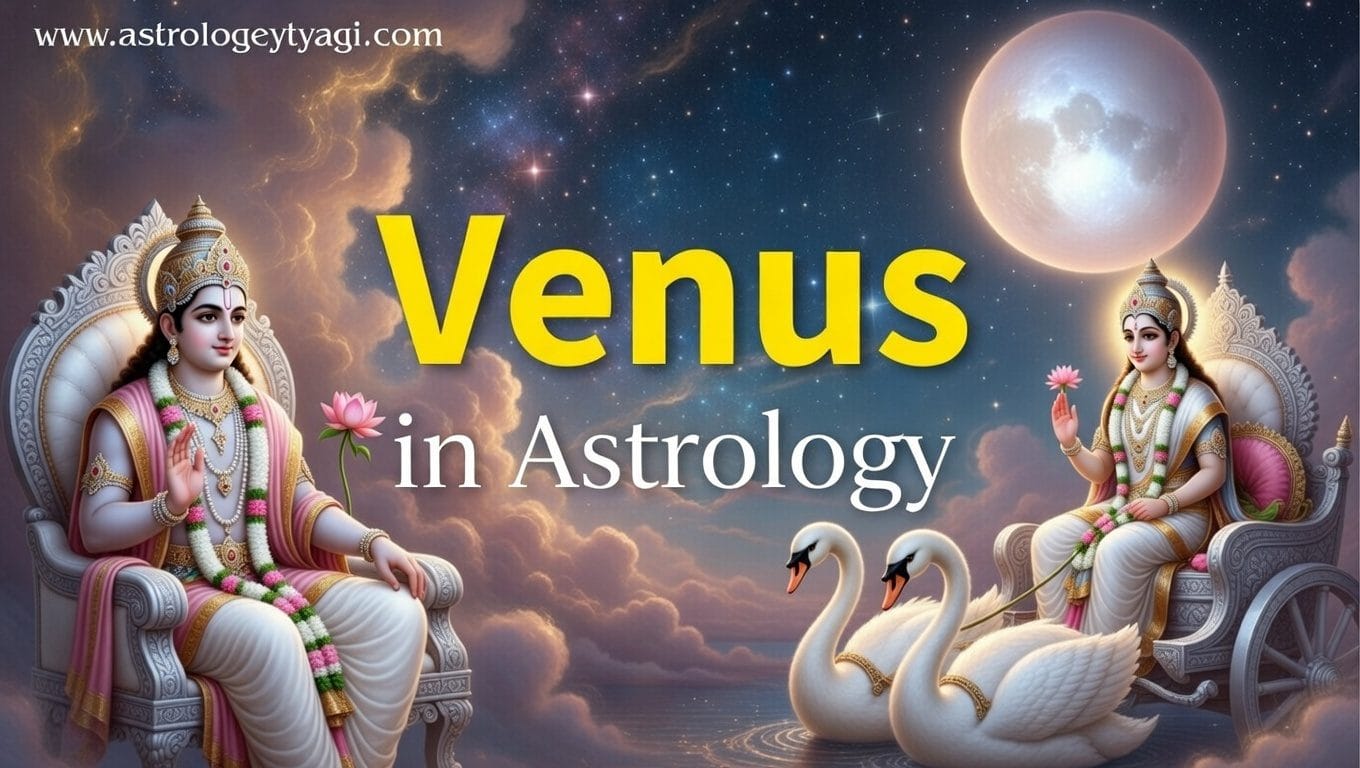
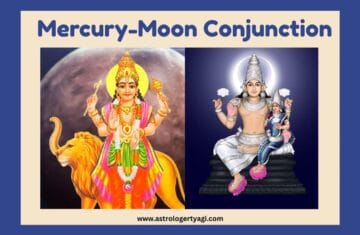
1. The Secret Story of Shukra | How He Mastered Life, Death & Desire
The story of Shukra and Shiva doesn’t feel like a clean myth. It feels like something intense, almost uncomfortable—like watching someone push beyond human limits just because they refuse to stop.
Shukra (Venus in Astrology) wasn’t chasing comfort. He wasn’t interested in being liked. There was a fire inside him—quiet, stubborn, dangerous. He wanted one thing: knowledge that could bend reality itself. The kind of knowledge that could defeat death. And he knew there was only one being who could give it—Shiv ji.
So he disappeared from the world.
No noise. No distractions. Just him… and his tapasya.
Days turned into months. Months into years. His body weakened, but his focus sharpened. He stood still for so long that nature itself started ignoring him, like he had become part of the background. Hunger came, he ignored it. Pain came, he went deeper. Thoughts came, he burned them out. He wasn’t praying anymore—he was forcing his existence into a single point of focus.
But Shiv ji didn’t appear.
Most people would break here. Doubt creeps in. “Is this even working?” “Is it worth it?” That’s where people quit.
Shukra didn’t.
He went further. He turned his tapasya into something extreme. He hung upside down, letting blood rush to his head, letting his body scream, letting every cell beg him to stop. But he didn’t move. He didn’t react. It was like he had cut off the part of him that needed comfort.
And then… silence broke.
Shiv ji appeared.
Not with noise. Not with drama. Just presence.
And in that moment, everything Shukra had burned through—pain, time, effort—made sense. Shiv ji didn’t ask questions. He didn’t test him further. He simply gave him what he had earned: Mrit Sanjeevani Vidya—the knowledge to bring the dead back to life.
It wasn’t a blessing.
It was responsibility… and power.
Time passed. Wars happened. And just like Shukra intended, he used that knowledge. Asuras fell in battle—and stood up again. Again and again. Death became temporary. The balance of power started breaking.
The Devas couldn’t win.
That’s when Shiv ji stepped in.
Not as a teacher this time. As a force.
In the middle of chaos, with no warning, Shiv swallowed Shukra.
Just like that.
Darkness.
No sound. No movement. No direction.
Inside Shiv’s body, there was no world. No ground. No sky. Just an endless, suffocating void. For anyone else, this was the end. Panic would take over. Mind would collapse.
But Shukra didn’t panic.
That’s the difference.
He became still.
The same discipline, the same control he built during his tapasya—this was the real test. No escape. No control over the situation. Only control over himself.
Instead of reacting, he observed.
He realized something—this wasn’t just a prison. This was Shiv himself. The source. The infinite. If he lost awareness here, he would dissolve. But if he stayed conscious… there might be a way.
So he focused.
Not on escaping blindly. But on understanding.
He used his knowledge, his awareness, and his sharp intelligence to move through that formless space. Slowly, patiently, he traced a path—not physical, but energetic. He aligned himself with the flow inside Shiv’s being, searching for an exit point.
And then he found it.
A narrow path. Subtle. Almost impossible to detect.
With complete precision, he moved through it—and emerged out of Shiv’s body.
Not broken.
Not defeated.
Reborn.
When Shukra stood there again, it wasn’t just survival. It was proof.
He had entered Shiv… and come out.
Shiv ji didn’t get angry. He didn’t destroy him.
He acknowledged him.
Because this wasn’t rebellion. This was mastery.
That’s the real feeling of this story.
Shukra didn’t become powerful because someone helped him. He became powerful because nothing could break him—not pain, not desire, not even being swallowed by Shiv himself.
And that’s why his energy is dangerous.
Because it forces one question:
If you were in that darkness… would you panic, or would you find a way out?
2. What Shukra Really Represents in Astrology
Most people hear Shukra and instantly think—love, relationships, attraction, luxury. Clean, simple, and honestly… lazy thinking. Because Shukra is not about what looks good on the surface. It’s about what pulls you from inside. It’s the invisible force that decides what you chase, what you crave, and what you can’t walk away from—even when you know you should.
Shukra represents value. Not just money, but deeper than that—what you value so much that you’re willing to invest your time, energy, emotions, and sometimes your self-respect into it. Look at your life honestly. Where do you keep going back again and again? That’s your Venus speaking.
It also controls your taste. Not just in clothes or lifestyle, but in people, decisions, and experiences. Why are you attracted to a certain type of partner? Why do you prefer a certain lifestyle? Why do some people feel “right” even when they are wrong for you? That pattern is not random. That’s Shukra shaping your perception.
But here’s the deeper layer—Shukra defines how you experience life. Two people can have the same salary, same relationship status, same opportunities. One feels satisfied. The other feels empty. What changed? Not reality—perception. That’s Venus.
Shukra is also directly linked to comfort. The more comfort you seek without awareness, the weaker your control becomes. Because comfort slowly turns into dependency. You stop doing what’s right and start doing what feels easy.
And here’s the part nobody tells you—Shukra is also your weakness point. The place where you’re most likely to lose control. Because whatever you value the most… can also control you the most.
So Shukra is not just about love or beauty. It’s about desire, value, attraction, and experience. It shows what you want, why you want it, and how that desire shapes your entire life.
If you don’t understand your Venus, you will keep chasing things without knowing why… and still feel unsatisfied after getting them.
3. Why Venus Is the Most Misunderstood Planet in Modern Astrology
Modern astrology has completely diluted Shukra. It turned a powerful, complex energy into a soft, aesthetic concept—romantic love, soulmate connections, luxury lifestyle, “high-value relationships.” It sounds good, but it’s shallow.
Real Shukra is not here to make your life look pretty. It’s here to test how you handle desire.
The biggest misunderstanding is this: people think a strong Venus means a perfect love life, beauty, attraction, and comfort. But that’s only half the truth. A strong Shukra means strong desires. And strong desires, if uncontrolled, don’t give you happiness—they create chaos.
You attract more. You want more. You feel more. But you also get attached more, distracted more, and dependent more. That’s why some people with strong Venus placements struggle the most in relationships. Not because they lack love—but because they don’t have control.
On the other side, people think weak Venus means bad luck in love. That’s also wrong. Weak Shukra often shows confusion in desire. You don’t know what you want. You chase things that don’t satisfy you. You reject things that are actually good for you. It’s not about lack—it’s about misalignment.
Another big mistake—people separate Venus from discipline. They think Venus is enjoyment and Saturn is discipline. But in reality, without discipline, Venus becomes destructive. Pleasure without control leads to addiction. Attraction without awareness leads to toxic patterns.
Modern astrology sells comfort. Real astrology exposes patterns.
Shukra doesn’t promise happiness. It reveals what you’re attached to—and how that attachment is shaping your life.
If you misunderstand Venus, you will keep blaming people, situations, or luck… while the real issue is your own uncontrolled desires.
4. The Core Energy of Venus – Pleasure, Love, and Harmony Explained
At its core, Shukra is about one thing—connection. Connection with people, with experiences, with beauty, with life itself. It’s the part of you that wants to feel something instead of just existing.
Pleasure is the first layer. And let’s be clear—pleasure is not the problem. The problem is unconscious pleasure. When you keep chasing what feels good without asking why, you slowly lose control. Pleasure becomes a habit, then a need, then a dependency.
Love is the second layer. But Shukra’s version of love is not what movies show. It’s not obsession, drama, or constant emotional highs. Real Venus energy in love is alignment. When your values, your desires, and your actions match—that’s love. No confusion. No overthinking. No chasing.
Then comes harmony—the highest expression. Harmony is not everything going perfectly. It’s you being stable enough that external situations don’t throw you off balance. When your Venus is strong and balanced, you don’t overreact. You don’t seek constant validation. You don’t lose yourself in relationships.
You enjoy, but you don’t depend.
You connect, but you don’t attach blindly.
You feel, but you don’t lose control.
That’s real Venus energy.
But most people operate at the lowest level—pleasure without awareness. That’s why they confuse attraction with love, comfort with happiness, and attention with value.
The evolution of Shukra is simple but hard:
Pleasure → Understanding → Control → Harmony
If you stop at pleasure, you stay stuck. If you move beyond it, you gain power.
5. Venus vs Reality – Why What You Desire Isn’t Always What You Need
This is where Shukra exposes you.
What you desire feels real, urgent, and important. But most of the time, it’s not aligned with what you actually need. And the worst part? You don’t question it. You assume, “If I want it, it must be right.”
That assumption ruins decisions.
You want attention—but what you actually need is self-worth.
You want a relationship—but what you need is emotional stability.
You want quick money—but what you need is long-term discipline.
But desire doesn’t care about logic. It cares about feeling. And feelings are often shaped by your past, your insecurities, and your need for validation.
So when you blindly follow desire, you don’t move forward—you repeat patterns.
Same type of relationships.
Same financial mistakes.
Same emotional cycles.
Different faces, same story.
That’s Venus without awareness.
Reality, on the other hand, is slower. It doesn’t feel exciting. It requires patience, discipline, and sometimes doing things you don’t feel like doing. That’s why people avoid it.
The conflict between Venus and reality is constant. One pulls you toward comfort, the other pushes you toward growth.
The real mastery is not rejecting desire. It’s questioning it.
Why do I want this?
Is this helping me grow or just making me feel good temporarily?
Am I choosing this… or reacting to it?
The moment you start asking these questions, something shifts.
You stop chasing blindly.
You start choosing consciously.
And that’s when Venus stops being your biggest distraction… and starts becoming your strongest advantage.
6. How Shukra Shapes Your Love Life Without You Realizing It
You think you’re choosing your relationships. You think you’re being logical, selective, “this time it’s different.” But if you look honestly, there’s a pattern—and that pattern is not random. That’s your Shukra running the show in the background.
Shukra doesn’t just control who you love. It controls how you love. Do you fall fast? Do you hesitate? Do you chase? Do you detach when things get serious? These aren’t habits you picked yesterday. These are patterns wired deep into your emotional system.
If your Venus is impulsive, you’ll feel intense attraction quickly. You’ll confuse chemistry with compatibility. Everything feels right in the beginning… until reality hits. If your Venus is cautious or damaged, you might push people away, overthink everything, or attract emotionally unavailable partners. Not because they’re everywhere—but because that’s what feels familiar.
That’s the uncomfortable truth—you don’t attract what’s best for you, you attract what feels normal to you.
Shukra also decides your standards in love. Not what you say your standards are, but what you actually tolerate. You can talk about respect and loyalty all day, but if your Venus is weak or confused, you’ll still stay in situations that don’t match those values.
And then comes attachment. Some people can enjoy love and still stay grounded. Others lose themselves completely. They ignore red flags, overinvest emotionally, and depend on the relationship for their identity. That’s not love—that’s Venus out of control.
The scary part? Most people never notice this. They just keep repeating cycles and blaming timing, luck, or “wrong people.”
But the moment you understand your Venus, everything becomes clear. Your love life is not random. It’s patterned. And until you fix the pattern, the story won’t change.
7. Venus and Attraction – Why You Feel Drawn to Certain People
Attraction feels magical. Instant connection, unexplained pull, “I don’t know why, but I like them.” But there’s always a reason. And that reason is your Shukra.
Attraction is not about what’s best for you. It’s about what stimulates your desire. And desire is shaped by your past, your experiences, your emotional gaps, and your internal wiring.
That’s why you can meet someone who is perfect on paper—stable, respectful, aligned—and feel nothing. And then meet someone chaotic, inconsistent, and somehow feel intense attraction. That’s not coincidence. That’s conditioning.
Your Venus creates a template. A silent checklist of traits that feel exciting or familiar. And here’s the catch—familiar doesn’t always mean healthy. Sometimes you’re attracted to what reflects your unresolved issues.
If you grew up around emotional inconsistency, you might feel drawn to people who are unpredictable. If you lacked validation, you might chase people who give you just enough attention to keep you hooked. It feels like chemistry, but it’s actually a loop.
This is why attraction alone is dangerous. It feels strong, but it’s not always reliable.
Shukra doesn’t filter for long-term compatibility. It pulls you toward what feels good right now. And if you don’t question that pull, you end up building relationships on unstable foundations.
The real shift happens when you stop blindly trusting attraction and start observing it.
“Why am I drawn to this person?”
“Is this healthy… or just familiar?”
Because once you understand your attraction patterns, you stop getting controlled by them. And that’s when attraction becomes a choice, not a trap.
8. The Psychology of Venus – Emotional Needs vs Physical Desires
Shukra operates on two levels, and most people confuse them—emotional needs and physical desires.
Physical desire is easy to understand. It’s attraction, chemistry, touch, excitement. It’s immediate and intense. You see someone, you feel something. No thinking involved.
Emotional needs are deeper. They’re slower, quieter, and often hidden. The need to feel safe, valued, understood, respected. The need for stability and emotional connection.
The problem is—people mix these two.
They feel strong physical attraction and assume emotional compatibility. Or they ignore emotional needs because physical chemistry feels too good to let go.
That’s where things break.
You can have insane chemistry with someone who is completely wrong for your emotional well-being. And you can have emotional stability with someone you’re not physically attracted to. Real relationships require both—but balanced.
Shukra controls both layers, but if it’s unbalanced, one side dominates.
If physical desire dominates, you’ll chase excitement but struggle with stability. Relationships start strong but don’t last. If emotional need dominates without attraction, you may settle for comfort but feel something is missing.
The real mastery is awareness—knowing what you’re feeling and why.
“Is this attraction or attachment?”
“Do I actually feel safe here, or just excited?”
Because when you separate emotional needs from physical desires, your decisions become clearer. You stop confusing intensity with compatibility.
And that’s where Venus starts working for you instead of against you.
9. Strong vs Weak Venus – The Real Difference in Personality & Life
A strong Shukra is not just about beauty, charm, or a great love life. And a weak Venus is not just about struggles in relationships. The real difference is much deeper—it’s about control over desire.
A person with strong Venus has clarity. They know what they want, and more importantly, what they don’t want. They enjoy life, but they don’t depend on it. They can walk away from things that don’t align, even if those things feel good.
They have standards—and they stick to them.
They don’t chase validation. They don’t overreact emotionally. They don’t lose themselves in relationships. There’s a natural balance in how they connect, earn, spend, and experience life.
Now look at weak Venus.
It shows up as confusion. You don’t know what you truly want. You keep changing preferences. You chase things that don’t satisfy you. You stay where you shouldn’t and leave where you should stay.
There’s overattachment or complete detachment—no balance.
Financially, it can show as poor decisions driven by impulse. Emotionally, it shows as unstable patterns—falling too fast, trusting too easily, or never trusting at all.
But here’s the key—weak Venus is not permanent.
It’s not about luck. It’s about awareness and discipline. The moment you start observing your desires instead of blindly following them, your Venus starts strengthening.
Strong Venus is not given. It’s built.
10. Signs That Your Venus Is Powerful
When Shukra is powerful, it doesn’t scream for attention. It shows quietly, consistently, in the way you live your daily life.
First sign—clarity in choices. You don’t feel confused about what you want in relationships, money, or lifestyle. You don’t keep second-guessing yourself. Decisions feel clean.
Second—emotional balance. You don’t get pulled into drama easily. You can feel deeply without losing control. You don’t react instantly—you respond with awareness.
Third—healthy attraction patterns. You’re not constantly drawn to chaos. You naturally feel attracted to people who align with your values. Not perfect people—but stable, real ones.
Fourth—self-worth is stable. You don’t depend on validation. Compliments feel good, but they don’t define you. Rejection doesn’t break you.
Fifth—enjoyment without addiction. You can enjoy good food, comfort, relationships, luxury—but you don’t need them to feel okay. You can step away anytime.
Sixth—financial awareness. You don’t spend just to feel good. You understand value. You invest in things that actually matter long-term.
Seventh—natural charm. Not forced. Not fake. People feel comfortable around you because you’re not trying to impress them.
And the biggest sign—you are in control of your desires.
You don’t suppress them. You don’t blindly follow them. You understand them.
That’s when Venus becomes your strength.
Because the moment desire stops controlling you… it starts working for you.
11. When Shukra Goes Wrong – Toxic Love, Over-Attachment & Illusion
When Shukra is balanced, it gives love, connection, and enjoyment. But when it goes off track, it doesn’t just create small problems—it creates patterns that slowly mess up your decisions without you realizing it. This is where toxic love begins.
It usually starts with intensity. You meet someone, feel a strong pull, and your mind immediately starts building a story—“this is special,” “this feels different,” “this is it.” But that feeling is not always love. Many times, it’s just uncontrolled attraction mixed with emotional need.
Then comes over-attachment. You start investing too fast—emotionally, mentally, sometimes even financially. You ignore red flags because the connection feels too strong to question. You adjust your standards just to keep the person. Slowly, your mood, your focus, your energy—all start depending on them.
That’s where Venus flips from love to dependency.
And then comes the most dangerous part—illusion. You stop seeing reality. You don’t see the person as they are, you see them as you want them to be. You justify their behavior. You wait for them to change. You believe in potential instead of reality.
This is not love. This is projection.
Shukra, when uncontrolled, makes you chase feelings, not truth. And feelings can lie.
That’s why toxic relationships feel so addictive. It’s not because they are right—it’s because they activate your deepest desires and insecurities at the same time.
The way out is simple but hard—start seeing things as they are, not as you wish them to be. The moment clarity comes in, illusion breaks. And that’s when Venus shifts back into balance.
12. Venus and Money – How Beauty, Comfort & Luxury Create Wealth
Most people don’t connect Shukra with money seriously. They think it’s just about spending, luxury, and enjoyment. But in reality, Venus has a strong connection with wealth creation, just in a different way.
Venus governs value perception. And money is nothing but value exchange.
People don’t pay for logic alone. They pay for experience, presentation, aesthetics, and emotion. A product with average quality but strong branding and visual appeal often outsells a better product with poor presentation. That’s Venus in action.
Beauty attracts attention. Comfort retains it. Experience converts it.
That’s why industries like fashion, luxury, design, entertainment, hospitality, and even high-end branding are dominated by strong Venus energy. These industries don’t just sell products—they sell feelings.
Even in business, your ability to present something attractively—your communication, your design, your storytelling—directly impacts how much money you make.
But here’s the catch—Venus can also destroy wealth.
If uncontrolled, it pushes you toward impulsive spending, lifestyle inflation, and chasing status. You earn more, but you spend more. You buy things to feel good, not because you need them.
So Venus and money work both ways:
Controlled Venus → Creates value → Attracts wealth
Uncontrolled Venus → Chases pleasure → Destroys wealth
The difference is awareness. If you understand value, Venus becomes a wealth generator. If you chase comfort blindly, it becomes a financial trap.
13. Venus in Career – Why Creative People Often Have Strong Venus
Look at people who naturally stand out in creative fields—design, music, acting, branding, content creation. There’s something different about them. They don’t just think—they feel deeply and express it. That’s strong Shukra energy.
Venus gives aesthetic intelligence—the ability to understand what looks good, what feels right, what connects emotionally with people. It’s not just talent. It’s perception.
A person with strong Venus can take something ordinary and present it in a way that attracts attention. They understand colors, patterns, emotions, timing, and storytelling—sometimes without even learning it formally.
That’s why creative careers are heavily influenced by Venus. Whether it’s designing a product, writing content, making videos, or building a brand—it all comes down to how well you can create an experience.
But creativity alone is not enough.
If Venus is strong but undisciplined, the person struggles with consistency. They have ideas but don’t execute them. They get distracted easily. They chase inspiration instead of building structure.
That’s why the most successful creative people are not just talented—they are disciplined. They combine Venus (creativity) with structure (discipline).
So Venus in career is not just about art. It’s about your ability to make things appealing, engaging, and valuable in the eyes of others.
14. Venus and Lifestyle – The Hidden Link Between Beauty and Success
Your lifestyle is not random. The way you dress, the way you speak, the way you present yourself—it all sends a signal. And that signal is controlled by Shukra.
People like to believe success is only about hard work and skill. But in reality, perception plays a huge role. How people see you affects how they treat you, trust you, and respond to you.
That’s where Venus comes in.
A person with balanced Venus understands presentation. They don’t need to show off, but they know how to maintain a certain standard. Clean appearance, good communication, sense of style, attention to detail—these things create a silent advantage.
It’s not about being expensive. It’s about being intentional.
When your environment looks good, your mind feels better. When you present yourself well, people take you seriously. When your communication is smooth, opportunities open faster.
This is the hidden link—beauty creates access.
But again, imbalance ruins it.
If Venus is too dominant without awareness, lifestyle becomes about impressing others. You spend more than you should, focus too much on image, and lose depth.
Real Venus energy is not about showing off. It’s about creating an environment and presence that supports your growth.
Because success is not just built on effort—it’s supported by how you carry yourself.
15. Venus and Social Life – Charm, Popularity & Influence Explained
Some people walk into a room and instantly feel comfortable talking to others. Conversations flow, people listen, connections happen naturally. And then there are people who struggle, overthink, or feel out of place.
That difference is often Shukra.
Venus controls social harmony—your ability to connect, communicate, and create ease in interactions. It’s not about being loud or extroverted. It’s about being likable without trying too hard.
People with strong Venus energy understand timing. They know when to speak, when to listen, how to respond. Their presence feels smooth, not forced.
That’s charm.
And charm leads to influence.
Because people don’t just connect with logic—they connect with how you make them feel. If your energy is comfortable, respectful, and engaging, people naturally trust you more.
But again, there’s a flip side.
If Venus is imbalanced, charm turns into people-pleasing. You try too hard to be liked. You avoid conflict. You adjust yourself too much just to fit in.
That’s not influence—that’s dependency.
Real Venus-based social strength is balanced. You can connect without losing yourself. You can communicate without forcing approval. You can build relationships without becoming fake.
And that’s what creates long-term networks, real friendships, and genuine influence.
Because at the end of the day, people remember how you made them feel—and that’s exactly where Venus operates.
16. Venus in Relationships – What Makes Love Last vs What Destroys It
When Shukra is balanced, relationships feel natural. Not perfect, not drama-free—but stable. There’s respect, understanding, and space to grow. But when Venus is off, the same relationship becomes exhausting, confusing, and slowly draining.
What makes love last is not intensity. It’s alignment.
Alignment in values, in expectations, in emotional needs. Two people can love each other deeply, but if their values don’t match—one wants stability, the other wants freedom—it will break over time. Love alone is not enough.
Shukra shows how you give and receive love. Some people express love through care, others through attention, others through presence. If this exchange is not understood, both people feel unfulfilled even when love exists.
Then comes respect. The moment respect drops, the relationship starts dying—slowly, silently. And this usually happens when Venus is weak or imbalanced. You tolerate things you shouldn’t. You over-adjust. You ignore your own needs.
And the biggest destroyer—uncontrolled desire. Attraction to others, emotional distractions, constant comparison. When you’re not satisfied within, you start looking outside.
So what makes love last?
Clarity, balance, and control over desire.
What destroys it?
Confusion, over-attachment, and lack of self-respect.
17. Venus and Marriage – The Real Role It Plays in Long-Term Commitment
Marriage is not just about love. It’s about sustainability. And that’s where Shukra plays a huge role.
Attraction starts a relationship. But Venus decides whether it can continue.
In the beginning, everything feels exciting. You ignore flaws, you focus on connection. But over time, reality shows up. Habits, behavior patterns, emotional needs—all become visible. That’s when Venus starts getting tested.
A strong Venus creates adjustment without losing identity. You understand your partner, you compromise when needed, but you don’t lose your self-respect. There’s balance.
A weak Venus creates two extremes—either you over-adjust and lose yourself, or you refuse to adjust at all. Both destroy stability.
Marriage also requires emotional consistency. Not just love on good days, but presence even on difficult ones. That’s not passion—that’s maturity. And maturity in relationships is directly linked to how stable your Venus energy is.
Another important factor—expectations. Unrealistic expectations kill marriages. Thinking your partner will fulfill all your emotional gaps is a mistake. That pressure creates distance.
Shukra teaches something simple but powerful—enjoy the relationship, don’t depend on it for your entire identity.
Because long-term commitment is not built on excitement.
It’s built on stability, respect, and realistic understanding.
18. Venus vs Mars – Love vs Desire (The Real Attraction Formula)
Shukra and Mars create the most misunderstood dynamic in relationships—love vs desire.
Mars is raw energy. Action, passion, physical attraction, chase. It’s fast, aggressive, and intense. It wants immediately.
Venus is slower. It’s about connection, bonding, emotional comfort, and long-term harmony.
When Mars dominates, attraction is strong but unstable. You feel excitement, chemistry, urgency. But it burns out quickly. It’s like fire—powerful, but not always sustainable.
When Venus dominates without Mars, there’s comfort but no spark. The relationship feels safe but lacks excitement. It becomes routine.
Real attraction needs both.
Mars creates the spark.
Venus sustains the connection.
But here’s where people mess up—they confuse Mars energy for love. They feel strong physical or emotional intensity and assume it’s something deep. But intensity is not depth.
And sometimes, they ignore Mars completely, choosing only comfort. That leads to boredom and emotional distance.
The real formula is balance.
Desire should exist, but it shouldn’t control you.
Love should stabilize you, but it shouldn’t make you passive.
When Venus and Mars work together, attraction becomes both exciting and stable.
19. Venus and Emotional Intelligence – Why Some People Love Better
Some people just know how to handle relationships. They don’t overreact. They don’t create unnecessary drama. They understand emotions—their own and others’. That’s strong Shukra in action.
Emotional intelligence in relationships is not about being perfect. It’s about awareness.
You know when to speak and when to stay silent. You understand your partner’s needs without them explaining everything. You don’t take everything personally. That creates ease.
People with balanced Venus in Astrology don’t chase constant validation. They don’t overthink small things. They don’t create problems out of insecurity. That’s why relationships with them feel peaceful.
Now look at low emotional intelligence.
Overreaction.
Miscommunication.
Insecurity.
Need for constant reassurance.
These patterns don’t come from the situation—they come from within.
Shukra controls how you process emotions in relationships. If it’s imbalanced, even small issues feel big. If it’s balanced, even big issues can be handled calmly.
And here’s the key—emotional intelligence is not natural for everyone. It’s built.
The moment you start observing your reactions instead of just expressing them blindly, your Venus starts improving.
Because loving better is not about finding the right person.
It’s about becoming the right person.
20. Venus and Self-Worth – How It Affects Confidence & Value
Your self-worth is directly connected to Shukra.
Not confidence in a loud, external way—but internal value. How you see yourself. What you believe you deserve. What you tolerate.
If your Venus is strong, your self-worth is stable. You don’t accept less than what aligns with you. You don’t chase validation. You don’t stay where you’re disrespected.
You know your value—even when others don’t see it.
But when Venus is weak, everything shifts.
You start seeking approval.
You doubt your worth.
You accept less just to avoid being alone.
That’s where most people lose themselves.
They stay in toxic relationships, bad environments, or low-value situations—not because they don’t see the problem, but because they don’t believe they deserve better.
And here’s the harsh truth—people treat you based on what you tolerate.
If your self-worth is low, you’ll keep attracting situations that match that level.
Shukra defines your internal standard. And your external life follows that standard.
So improving Venus is not about looking better or attracting more.
It’s about raising your internal value.
The moment you stop settling, stop chasing, and start choosing based on self-respect—everything changes.
Because confidence is not built by achievements alone.
It’s built by knowing your worth… and acting like it.
21. Venus in the 12 Houses
Shukra shows one simple but powerful thing—where your heart naturally goes to feel good. Where you look for love, comfort, validation, and enjoyment. And this is exactly where you either feel fulfilled… or get trapped.
Let’s break it properly, house by house.
Venus in 1st House
Love becomes identity. You want to feel attractive, liked, admired. You naturally draw people in, but the risk is—you start depending on validation. If people like you, you feel good. If they don’t, your confidence drops. Real growth here is learning self-worth without external approval.
Venus in 2nd House
You connect love with security. Money, stability, comfort—these things make you feel safe and valued. You may attract wealth or spend heavily on comfort. But the trap is thinking money = happiness. Balance comes when you value stability without becoming materialistic.
Venus in 3rd House
You fall in love through communication. Talking, texting, sharing ideas—this is your love language. You need mental stimulation. But you can also get bored quickly if connection lacks excitement. The lesson—depth over constant stimulation.
Venus in 4th House
You seek emotional safety. Home, family, peace—this is where your heart rests. You want a partner who feels like “home.” But the risk is over-dependence on emotional comfort. You may avoid growth just to stay safe.
Venus in 5th House
This is classic romance energy. You love love. Flirting, excitement, fun, creativity—you enjoy the experience of love. But here’s the trap—you may chase the feeling of love more than real commitment. Attraction is easy, stability is the challenge.
Venus in 6th House
This is where things get complicated. Love mixes with effort, service, and imbalance. You may overgive, try to “fix” people, or feel like love requires work all the time. You attract situations where you give more than you receive. Lesson—stop proving your worth through sacrifice.
Venus in 7th House
Relationships become central to life. You feel complete when you’re with someone. Partnership matters deeply. But the danger is losing yourself in the process. You may adjust too much just to maintain the relationship. Balance = connection without losing identity.
Venus in 8th House
This is intense. Love is not light here—it’s deep, emotional, sometimes obsessive. You crave deep bonding, loyalty, and transformation through relationships. But you may attract toxic patterns, control issues, or emotional extremes. Lesson—depth without destruction.
Venus in 9th House
You seek love through growth and meaning. Shared beliefs, travel, learning—these things connect you. You want a partner who expands your thinking. But sometimes you chase ideals instead of reality. Lesson—balance vision with practicality.
Venus in 10th House
Love connects with status and ambition. You may be attracted to successful or high-status partners. Your relationships may also impact your career or public image. The trap—choosing based on image, not real connection.
Venus in 11th House
Love grows through friendship. You connect easily in social circles, networks, communities. You prefer a partner who feels like a friend first. But sometimes emotions stay too detached. Lesson—don’t avoid emotional depth.
Venus in 12th House
This is hidden Venus. Love is private, deep, sometimes confusing. You may experience secret relationships, emotional sacrifice, or one-sided love. You feel deeply but don’t always express it clearly. The lesson—clarity and boundaries.
22. Venus Through the Zodiac Signs
Shukra doesn’t change its core nature—it still represents love, attraction, pleasure, and values. But the way it expresses all of this completely changes depending on the zodiac sign it sits in.
Same Venus. Different behavior. Different love language. Different mistakes.
Let’s break it down properly.
Venus in Aries
Love is fast, direct, and intense. You don’t like waiting, guessing, or playing emotional games. If you like someone, you go for it. The attraction is strong, but patience is weak. You enjoy the chase more than stability sometimes. Once things become predictable, interest can drop. Lesson—slow down and build depth, not just excitement.
Venus in Taurus
This is Venus in its comfort zone. Love is steady, loyal, and grounded. You value stability, physical connection, and long-term security. Once you commit, you stay. But the downside is stubbornness—you don’t let go easily, even when things are not working. Lesson—don’t confuse comfort with the right connection.
Venus in Gemini
Love is mental before emotional. You need conversation, humor, and stimulation. You get attracted through words, ideas, and communication. But consistency can be a problem. You may lose interest if things feel repetitive. Lesson—learn to stay even when the excitement reduces.
Venus in Cancer
You love deeply, emotionally, and protectively. You want care, security, and emotional bonding. You give a lot—but expect the same in return. The problem? Mood swings and emotional dependency. You may take things too personally. Lesson—build emotional strength, not just emotional connection.
Venus in Leo
Love is expressive, dramatic, and full of passion. You want attention, appreciation, and admiration. You give big, and you expect big. But ego can interfere. If you don’t feel valued, you pull back or react strongly. Lesson—don’t let ego block real connection.
Venus in Virgo
Love is practical and subtle. You show love through actions, care, and details—not big emotional expressions. You notice everything, and that can turn into overthinking or criticism. You may struggle to feel “perfect” in love. Lesson—stop trying to fix everything and allow imperfection.
Venus in Libra
This is another strong placement. You seek balance, harmony, and partnership. You hate conflict and want things to feel smooth. You’re naturally charming and diplomatic. But you may avoid necessary confrontations just to keep peace. Lesson—don’t sacrifice truth for harmony.
Venus in Scorpio
This is intense, deep, and all-or-nothing love. You don’t do casual. You want emotional depth, loyalty, and complete connection. But this intensity can turn into control, jealousy, or obsession. Lesson—learn trust without needing control.
Venus in Sagittarius
Love needs freedom here. You want growth, adventure, and expansion. You don’t like feeling restricted. You’re attracted to different cultures, ideas, or experiences. But commitment can feel heavy. Lesson—understand that freedom and commitment can coexist.
Venus in Capricorn
Love is serious, slow, and practical. You don’t rush into relationships. You think long-term—stability, responsibility, and future matter. But emotional expression can feel limited. You may struggle to open up. Lesson—allow vulnerability, not just control.
Venus in Aquarius
Love is unconventional. You need space, individuality, and mental connection. You don’t follow traditional relationship patterns. You value friendship and independence. But emotional detachment can create distance. Lesson—connect emotionally, not just intellectually.
Venus in Pisces
This is the dreamer. Love is romantic, emotional, and idealistic. You give deeply and often see the best in people. But this can lead to illusion—you ignore reality and fall for potential. Lesson—see people as they are, not as you imagine them.
23. Venus and Physical Appearance
Shukra doesn’t just decide how you look—it decides how you are perceived. There’s a big difference. Two people can have similar features, but one stands out instantly while the other goes unnoticed. That difference is Venus.
First layer is natural attraction. A strong Venus often gives symmetry, softness, glow, or simply a pleasant vibe. But don’t reduce this to “good looks.” Real Venus beauty is about harmony—everything feels balanced. Face, expressions, voice, body language—it all flows.
Second layer is style. Venus controls your taste. How you dress, how you present yourself, how you choose colors, accessories, even how you maintain your space. People with strong Venus don’t always wear expensive things—but whatever they wear looks intentional. Clean, balanced, and aligned with their personality.
Third layer—and most important—is aura. This is where most people miss it. Your energy, your presence, how people feel around you—that’s pure Venus. Some people walk into a room and people naturally feel comfortable. Conversations become easy. That’s not confidence alone—that’s Venus energy creating ease.
Now the dark side.
If Venus is imbalanced, appearance becomes a problem. Either you become over-obsessed—constantly trying to look perfect, seeking validation, comparing yourself—or you go the opposite way and neglect yourself completely.
Real Venus is not about impressing others. It’s about self-respect expressed externally.
When your internal state is stable, your external presence automatically improves. That’s why real attractiveness is not forced—it’s maintained.
24. Venus and Creativity – Why Artists, Designers & Musicians Shine
Shukra is the engine behind creativity—not logic, not structure, but feeling and perception.
Creativity is not just making something. It’s making something that connects. That’s the difference between average work and impactful work. And Venus controls that emotional connection.
People with strong Venus see things differently. They notice patterns, beauty, emotion in small details. A designer sees colors and balance. A musician feels rhythm and mood. A writer captures emotion in words. This is not learned first—it’s felt first.
But here’s the reality—Venus gives raw creativity, not success.
If it’s not supported by discipline, creativity becomes inconsistent. You get ideas, but you don’t execute. You wait for “mood.” You start things but don’t finish. That’s why many talented people struggle—they rely only on Venus.
The ones who win combine Venus with structure.
They don’t wait to feel inspired—they create daily. They refine their taste, improve their skill, and understand what people respond to. Because creativity is not just expression—it’s also understanding your audience.
Another key point—Venus creativity is tied to experience. The more you expose yourself to different environments, art, people, and ideas, the stronger your creative output becomes. Isolation kills creative growth.
But imbalance here creates problems.
Over-idealism. Overthinking. Comparing your work constantly. Or creating only for validation.
Real Venus creativity is simple—create, refine, repeat. Not perfect, not emotional every time, but consistent.
That’s how talent turns into impact.
Suggestion: Ketu in Astrology
25. Venus and Pleasure – When Enjoyment Becomes Addiction
Shukra is the part of you that wants to enjoy life. Food, comfort, relationships, entertainment, luxury—this is all Venus. And let’s be clear—pleasure is not the problem.
The problem is lack of control over pleasure.
At the beginning, it feels harmless. You relax, you enjoy, you reward yourself. Nothing wrong. But slowly, without awareness, pleasure starts becoming a default escape.
You feel stressed—you seek comfort.
You feel bored—you seek stimulation.
You feel low—you seek distraction.
And without realizing it, you stop dealing with reality.
That’s where enjoyment turns into addiction.
It doesn’t have to be extreme. It shows up in small ways:
Scrolling endlessly.
Eating for comfort, not hunger.
Chasing attention.
Avoiding difficult tasks.
These things don’t feel dangerous—but they slowly destroy focus, discipline, and long-term growth.
The worst part? It feels good while it’s happening. That’s why it’s hard to catch.
Venus in Astrology, when imbalanced, pushes you toward short-term pleasure over long-term benefit. And if repeated enough, it becomes a pattern.
But Venus is not your enemy.
Controlled Venus is powerful. You can enjoy life and stay disciplined. You can relax without losing direction. You can experience pleasure without depending on it.
The shift is simple but hard:
Enjoy consciously, not automatically.
Ask yourself—
“Am I choosing this, or escaping into this?”
Because the moment pleasure becomes your coping mechanism…
it stops being enjoyment and starts becoming limitation.
And that’s where most people lose control without even realizing it.
26. Venus and Spirituality – Can Pleasure Lead to Enlightenment?
Most people think spirituality means rejecting pleasure. No luxury, no relationships, no enjoyment—just discipline and detachment. But Shukra challenges that idea completely. Shukra doesn’t reject pleasure. He goes through it, understands it, and then rises above it.
Here’s the real question—can pleasure lead to enlightenment?
The honest answer: yes, but only if you don’t get trapped in it.
Pleasure itself is not the problem. It’s a natural part of life. Food tastes good, relationships feel good, comfort feels good. These are not mistakes. But the moment pleasure becomes your identity—“I need this to feel okay”—you lose control.
Most people never go beyond this stage. They keep chasing better experiences, better relationships, more comfort, thinking one day it will feel complete. But it never does. Because desire doesn’t end by fulfilling it—it grows.
Shukra’s path is different.
Instead of running away from desire, he observes it deeply. Why do I want this? What happens after I get it? Why does satisfaction fade? This awareness is the turning point.
When you start observing your desires instead of blindly chasing them, something shifts. You still enjoy—but you’re not dependent. You still experience—but you’re not attached.
That’s where spirituality begins through Venus.
Real spirituality is not suppression. It’s understanding.
You don’t need to reject pleasure. You need to stop being controlled by it.
Because once you experience something fully and consciously, you also see its limitation. No matter how good it feels, it’s temporary. And that realization doesn’t make you sad—it makes you free.
That’s the paradox.
People who chase pleasure endlessly never feel satisfied. People who understand pleasure deeply don’t need to chase it.
Shukra teaches balance—enjoy life, but don’t lose yourself in it.
Because enlightenment is not about leaving the world. It’s about moving through it without getting stuck.
27. Venus Mahadasha – When Life Becomes About Love, Luxury & Lessons
When Shukra Mahadasha starts, life shifts. Suddenly, themes of love, relationships, money, comfort, beauty, and desire come to the front. It feels like life is asking one question—what do you really value?
At first, it often feels good.
Opportunities increase. You attract people easily. Social life improves. There’s a natural pull toward better lifestyle, better experiences, and sometimes financial growth. Things start feeling smoother.
But this is just the surface.
Underneath, Venus Mahadasha is testing your relationship with desire.
If your Venus is strong and balanced, this period can bring meaningful relationships, financial stability, creative growth, and overall enjoyment of life. You make better choices, attract the right people, and experience comfort without losing control.
But if Venus in Astrology is weak or imbalanced, the same period becomes chaotic.
You get distracted. You chase pleasure over purpose. Relationships become complicated—over-attachment, confusion, or repeated patterns. Money comes but doesn’t stay. You spend more than you should, driven by impulse or image.
That’s why Venus Mahadasha is not “good” or “bad.” It’s amplification.
Whatever your Venus represents internally becomes visible externally.
This period also brings lessons in relationships. You may meet people who reflect your patterns—your insecurities, your desires, your emotional gaps. These connections are not random. They’re mirrors.
If you don’t learn, you repeat.
If you observe, you grow.
Another major theme is value clarity. You start realizing what actually matters and what doesn’t. Things that once felt important lose their importance. And things you ignored start demanding attention.
The biggest mistake during this period is losing discipline.
Because Venus energy feels comfortable, you may avoid effort, delay decisions, or prioritize enjoyment over growth. That slowly creates problems.
The smartest way to handle Venus Mahadasha is balance.
Enjoy the opportunities. Build relationships. Improve lifestyle. But stay grounded. Stay aware.
Because this period is not just about living well—it’s about learning how to live well without losing direction.
28. Venus Dosha – When Relationships Start Breaking Down?
When Shukra is afflicted or imbalanced in a chart, it doesn’t just create “relationship problems.” It creates patterns that repeat again and again until you understand them.
This is what people loosely call Venus Dosha.
And it doesn’t always look obvious in the beginning.
At first, everything feels normal. You meet someone, feel connection, things move forward. But slowly, cracks start appearing. Misunderstanding, emotional imbalance, lack of clarity, or sudden distance.
And the worst part? It keeps repeating.
Different person. Same story.
One major sign is attraction toward the wrong people. You feel drawn to those who are unavailable, inconsistent, or not aligned with your values. You know it’s not right, but the pull is strong.
Another pattern is over-attachment. You invest too much, too quickly. You ignore red flags. You try to fix things that are clearly broken. You give more than you receive.
Then there’s illusion. You don’t see reality. You see potential. You believe things will change. You hold on longer than you should.
In some cases, it shows as the opposite—fear of relationships. Avoidance, detachment, lack of trust. You don’t allow connection because somewhere you expect it to fail.
Financial issues can also be linked here—spending driven by emotion, trying to feel better through comfort or luxury.
But here’s the truth—Venus Dosha is not punishment.
It’s a signal.
It shows where your understanding of love, value, and desire is weak.
Blaming others won’t fix it. Changing partners won’t fix it. The pattern follows you until you change your approach.
The moment you start seeing clearly—what you’re attracted to, why you’re attached, what you’re ignoring—the cycle begins to break.
Because the real issue is not the relationship.
It’s the pattern behind it.
29. Powerful Remedies to Strengthen Venus
Most people look for quick remedies—wear this, chant that, do something once and expect results. But strengthening Shukra doesn’t work like that. It’s not a shortcut. It’s a shift in how you live daily.
First and most important—clean your lifestyle.
Venus thrives in cleanliness, order, and beauty. Your room, your clothes, your environment—if they are messy, your Venus energy becomes dull. Start simple. Clean space, organized surroundings, basic grooming. This is not cosmetic—it affects your mindset.
Second—control over pleasure.
You don’t need to stop enjoying life. But you need to stop overindulging. Food, entertainment, social media, spending—observe where you are losing control. Discipline here directly strengthens Venus.
Third—respect in relationships.
Stop chasing people who don’t value you. Stop overgiving. Stop tolerating disrespect. Venus becomes strong when you maintain self-respect in connections.
Fourth—develop taste and creativity.
Listen to good music. Improve your dressing sense. Learn something creative. Venus grows when you refine your sense of aesthetics and expression.
Fifth—financial awareness.
Track your spending. Avoid impulsive buying. Understand value before spending money. This builds balance between comfort and control.
Traditional remedies also help—like mantra chanting, fasting on Fridays, or offering respect to feminine energy. But these only work when your daily behavior supports them.
Because real remedy is not external—it’s behavioral.
The moment you start living with awareness, balance, and self-respect, Venus naturally improves.
30. Final Truth About Venus – The Art of Living, Loving & Balancing Desire
At the end of everything, Shukra comes down to one thing—how you handle desire.
Not how much you have. Not how attractive you are. Not how many relationships you’ve had. None of that matters if you don’t understand your own desires.
Because desire is powerful.
It can build your life—or slowly destroy it.
Venus is the energy that makes life enjoyable. Without it, life becomes dry, mechanical, emotionless. But too much uncontrolled Venus, and life becomes chaotic, distracted, and unstable.
So the goal is not rejection.
And the goal is not indulgence.
The goal is balance.
Enjoy what life offers—but don’t depend on it.
Love deeply—but don’t lose yourself.
Earn well—but don’t chase status blindly.
That’s the art.
Most people live in extremes. Either they suppress everything and feel empty, or they chase everything and feel lost. Very few people find the middle ground.
And that middle ground is where real power is.
Because when you are not controlled by your desires, you start making better decisions. You choose better relationships. You handle money better. You stay focused on what actually matters.
That’s when Venus becomes your strength.
The final truth is simple but uncomfortable—your life is a reflection of what you value.
If you value temporary pleasure, you get temporary results.
If you value growth and balance, your life stabilizes.
Shukra is not here to give you comfort.
He’s here to test whether you can handle comfort without losing control.
And once you pass that test…
Life doesn’t just feel good.
It starts working in your favor.